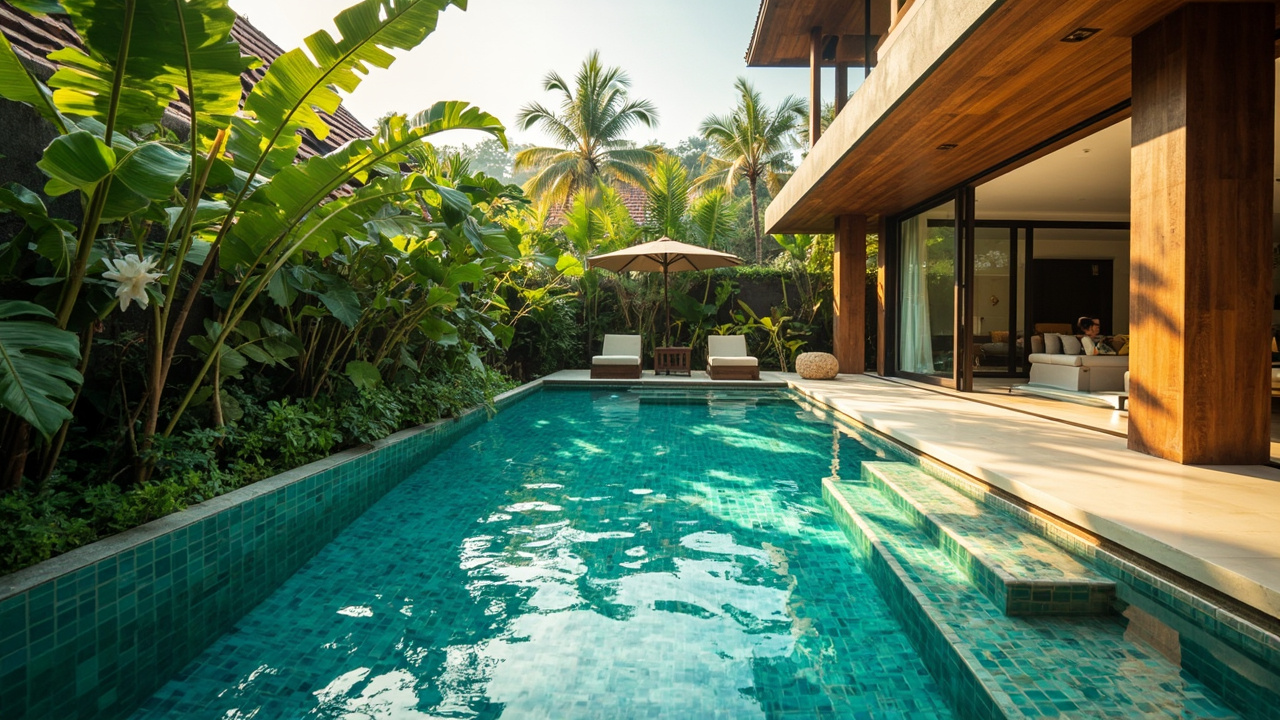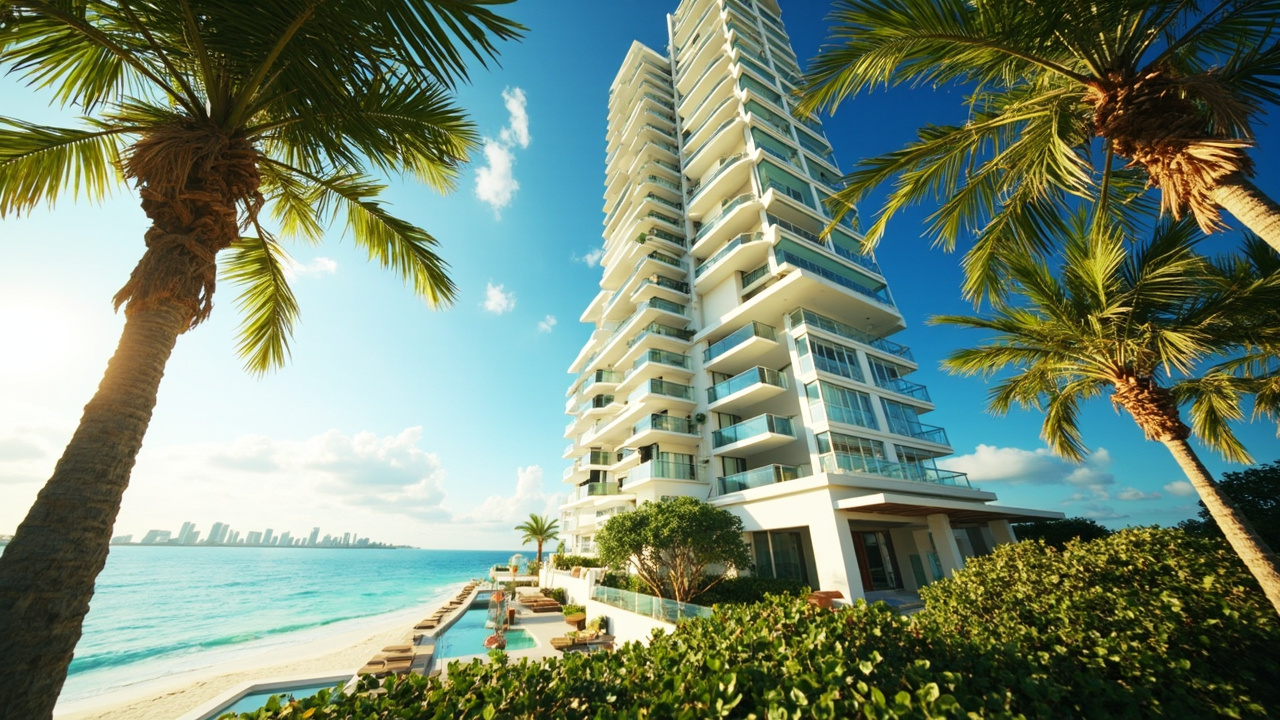
Short-term rentals in Thailand can involve more than just a property title. Before you buy or lease for Airbnb-style income, you should confirm the exact permissions for the property. Start with the building or condo by-laws and house rules; some developments restrict or ban short-term letting, while others allow it with owner-approval or certain conditions. Check the owner's committee or management rules for any prohibition on nightly stays, registration of guests, or use of common areas by paying guests. Next, look for any licensing or registration requirements that might apply to operations. In some cases, a hotel or hospitality-related license or local business license or hotel licensing requirements can appear for small-scale operations; in others, hosting may be treated as ordinary rental income. Your Thai lawyer or a licensed property professional can interpret how this fits with the property type (condo, house, land) and with local authorities. Tax and guest reporting can also matter; ensure you understand what records you must keep and what must be reported. Finally, obtain written confirmation from the property management or seller that the rent-out plan complies with the rules, and have a professional review the documents before signing any agreement.
Public Q&A
What Specific Licenses or Permits Should I Verify for Short-Term Rentals in Hua Hin?
Useful next steps
Use this answer as a practical starting point. Current prices, availability, inclusions, ownership details and next steps should be confirmed directly with Hua Hin Property Guide Online where they affect a decision.
Related Topics
More Short-Term Rentals Topic Pages
Explore more topic pages connected to this answer.